The value of an experienced startup advisor
Recent business research indicates that 90% of startups fail. Closer examination of the root causes shows that 34% of startups fail for lack of product-market fit and for poor business planning during the early stages.
by Faten Matmati, Founder & CEO
Selecting trusted advisors who offer the right mix of support and services has become essential for founders intent on building scalable, high-growth startups. Establishing a relationship with a startup advisor early in the launch phase is particularly valuable for founders who bring a strong business idea but limited startup experience.
At the MVP stage, a startup benefits most from the counsel of trusted and experienced consultants who can help develop the founder’s business idea into a leading digital product and guide it toward product-market fit.
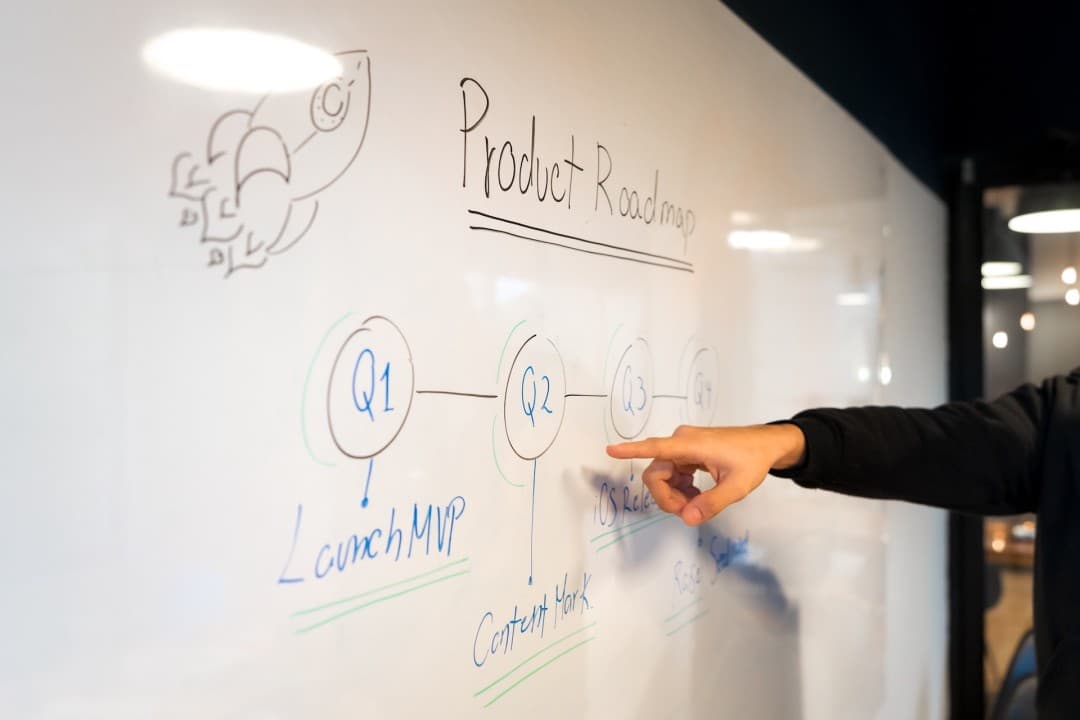
Partnering with a trusted advisor helps a startup avoid the false starts that so often occur in the early stages of a launch. The right advisor delivers genuine value through a structured, three-step product design process.
1. Problem definition.
This stage guides entrepreneurs in defining their target audience with precision and identifying the key pain points to address. Enabling founders to conduct rigorous interviews with early adopters and prospects, and to draw the right insights from those conversations, is essential in formulating the product backlog and roadmap.
Conducting a competitive analysis is another facet of this stage and may include user testing of existing solutions. Drawing on sound data when segmenting and sizing the potential market is equally important, supported by well-designed surveys that measure customer behavior.
2. Solution development.
During this stage, the startup team designs several prototypes and gathers feedback from potential customers through one-on-one sessions. The phase is often iterative, with the product backlog refined as feedback and requests from early adopters are incorporated. It should conclude with the final definition of the MVP scope, ensuring the delivery of the startup’s key value proposition.
3. Solution validation.
This step consists of building an MVP with the lowest fidelity needed to obtain reliable input from customers, then testing it in a real-world setting to observe how customers respond. The step is also iterative, and founders are well advised to stay open to the possibility that the process will uncover more pressing problems or better solutions along the way. That openness leads to a stronger product.
WeaveLines as your beacon in the B2B landscape
WeaveLines provides product strategy services to early-stage startups seeking to launch digital products quickly and efficiently. We assist founders in defining their product roadmap and ensuring it remains aligned with their business strategy. We also provide UX/UI design services and help startups test their ideas with clickable prototypes, enabling early product validation with potential customers.