Launch your MVP in 2 weeks
We deliver a first version your customers can use. We settle the scope with you, place a high-fidelity prototype in your hands within days, and build from it. Most MVPs go live in 2 to 6 weeks.
Why build your MVP with WeaveLines
Every first version we ship has four things in common.
Live in 2 to 6 weeks
We scope the first version with you, prototype it in days, and ship a working product in 2 to 6 weeks. When the scope is tight, two weeks is enough.A scope you can defend
The first version holds what a customer needs to get value and what an investor needs to see. Everything else goes on a list with a reason, so the decision remains yours and is written down.A prototype before code
Within days you have a high-fidelity prototype with real screens and real flows, ready to click through, show to customers and put in front of investors. A designer directs it and validates it with you, and engineers build from it.Built in the stack it will grow in
The MVP is real software rather than a demonstration to be discarded later. It is built with TypeScript, the React ecosystem on the web, React Native with Expo on mobile, and Node.js behind them. When the product grows, the code grows with it.
The MVP process
The work moves in five steps from a conversation to a product in your customers’ hands.
01Shape
You receive a backlog for the first version and a plan with a date on it
A few working sessions settle the goal, the users and the scope. AI-assisted research brings the market, the competitors and the first personas to the table, and you bring what you know about your customers.02Prototype
Delivered within days
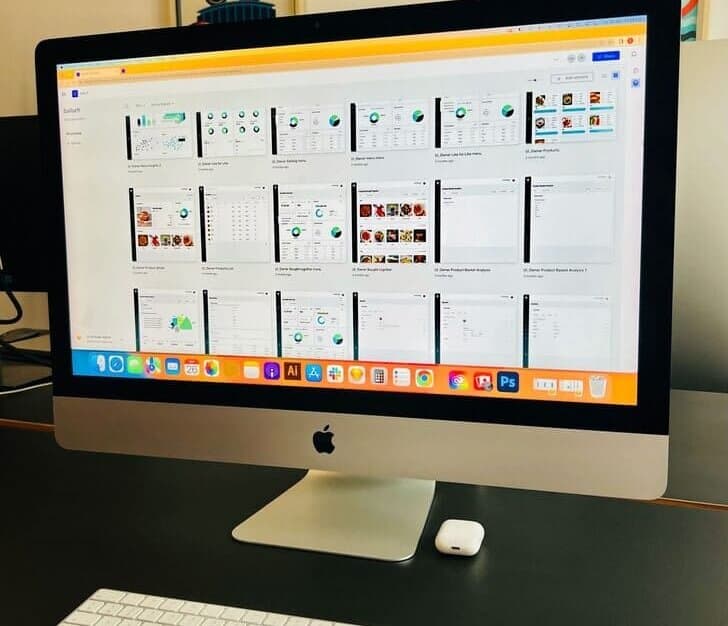
A designer directs a high-fidelity interactive prototype with Claude Design, Figma Make or Replit and validates it with you. It looks and behaves like the product. Changes at this stage are quick and inexpensive, so this is where the scope is settled.03Build
You receive working software to review at every step
Engineers build from the validated prototype in the real stack while the designer completes the interface and the design system in Figma alongside them. Engineers use AI coding tools daily, a second engineer reviews every change, and automated tests and CI run before anything ships.04Launch
Live 2 to 6 weeks after kickoff
The product launches in the app stores or on the web, with monitoring and error tracking in place before the first user arrives.05Learn and grow
Ongoing, on a monthly retainer
The first weeks of real usage decide what comes next. We remain engaged for fixes, improvements and the next features, or take the fractional CTO or CPO seat when that is what you need.
“WeaveLines delivered an easy-to-use mobile app. They were great listeners and collaborators, ensuring transparent communication and regular updates. Moreover, they provided clear timelines in advance.”

What we build with
The stack is chosen for each product. These are the technologies we work with most.
- Web
- TypeScript and the React ecosystem, with the framework chosen per project.
- Mobile
- React Native with Expo, one codebase for iOS and Android.
- Backend
- Node.js, with PostgreSQL first and MongoDB, Neo4j or Redis when the data has a different shape.
- Cloud
- AWS first, Cloudflare where it fits, and a plain server when that is the right size.
- AI features
- Claude, GPT, Gemini or open models, chosen per use case.
How we engage
Most MVPs are delivered as a fixed-price project with an agreed scope, an agreed price and a launch date. When the scope is still moving, time and materials billed monthly fits better, and we will say so before work begins. After launch, a monthly retainer keeps the product moving.
MVPs we have launched
Streamlining operations in the hospitality industry.
Hotlas is an integrated inventory and orders management solution for restaurateurs and bar managers.Read moreBuilding a gratitude journaling app.
Waveflow is a community-driven platform that helps people cultivate gratitude in their daily lives.Read moreRevitalizing a legacy platform.
Rushtera is a film post-production, sales and distribution platform.Read more
- MVPs launched
- 36
- Startups coached
- 150+
- Mentorship programs
- 12
- Founded
- 2017
Frequently asked questions
How long does an MVP take?
Most products take 2 to 6 weeks, and 2 when the scope is tight. What moves the number is how many flows the first version needs, whether it ships on the web or in the app stores, and how quickly decisions are made on your side. WeaveLines agrees the scope and the plan with you before work begins, and you review working software regularly as it takes shape.
What is included in an MVP project?
An MVP project covers everything between the idea and a product in your customers’ hands. That includes discovery and scope, the high-fidelity prototype, the UI and the design system, engineering, testing, launch on the web or in the app stores, and monitoring before the first user arrives. Design and engineering happen in the same place at WeaveLines, so there is no handoff between a design agency and a development shop.
How do you decide what goes into the first version?
Together, and in writing. We start from what a customer needs to get value from the product and what an investor needs to see, then set aside everything that does not serve one of those two. Every feature that is cut goes on a list with the reason, so nothing is lost and the decision remains yours. AI-assisted research accelerates the market and competitor side of that work at WeaveLines, and the decisions are made by people.
Is design included, or do I need a separate designer?
Design is included. Research, the interactive prototype, the UI and the design system are part of the project, designed by the same WeaveLines team that builds it, with design running alongside engineering so it does not add weeks. Brand identity is included when the product needs its own. If you already have a brand or a designer, we work with them.
What technology do you use for an MVP?
We build in the stack the product will grow in, so nothing has to be rebuilt later. That means TypeScript, the React ecosystem on the web, React Native with Expo on mobile, Node.js behind them, PostgreSQL first, with MongoDB, Neo4j or Redis when the data has a different shape, and AWS first, Cloudflare where it fits, and a plain server when that is the right size. For AI features, WeaveLines uses Claude, GPT, Gemini or open models, chosen per use case.
What happens after the MVP launches?
Launch is where the learning begins. Monitoring and error tracking are in place before the first user, and the first weeks of real usage decide what gets built next. Most clients keep WeaveLines on a monthly retainer for fixes, improvements and the next features, and some ask us to take the fractional CTO or CPO seat.
How is an MVP priced?
Most MVPs are delivered as a fixed-price project with an agreed scope, an agreed price and a launch date, so you know the number before work begins. When the scope is still moving, time and materials billed monthly fits better, and WeaveLines will say so up front. We provide a quotation after a short call about what you are building.
I already have a prototype or a half-built product. Can you take it from there?
Yes. Some clients arrive with a prototype, and some with a product another team started. WeaveLines begins with a focused review of what exists, keeps what holds up, and plans the shortest route from there to a launched first version.
From the blog
How we prototype with AI tools, from a brief to an interactive prototype in days
The first thing a client sees from WeaveLines is a high-fidelity interactive prototype, in days. How a brief becomes screens with Claude Design, Figma Make and Replit, what the designer decides, what we validate with you, and what happens next.Read moreWhat vibe coding is genuinely good for and why it does not survive real users
Vibe coding produces a working demo in an afternoon, and that is real. It also produces code nobody has read, with security flaws in about half of it, and it breaks the moment real users arrive. This article draws the line, presents the evidence, and sets out what to do instead.Read moreFixed price or time and materials, and how to choose the engagement model for your product
Fixed price gives you a number before work starts. Time and materials gives you room to change your mind. Which one fits your product depends on how well the scope is known. This article covers how to choose, what to write into the contract, and when to switch.Read more
Your first version, live in weeks
Tell us what you are building and how far you have come. Thirty minutes is enough to establish what it would take.
Get in touch with us
Tell us about your product and your plans. We will come back with a clear view of what it would take and how we would approach it.
Our offices
- HeadquartersWeaveLines LLCrue Slah Eddine Bouchoucha2026 Sidi Bou SaidTunis, Tunisia
- Tunis OfficeWeaveLines LLC39 rue Ibn Khaldoun1002 Tunis, Tunisia