Product Development
Custom software and product development.
Custom software development for startups and corporates. We build, launch and grow your product in releases, with product management, design and engineering in the same place, for as long as you need us.
01 · Why build with WeaveLines
Products come to us from four places.
The work that follows is the same, releases shipped one after another.
Start a new product
We take an idea to a launched first version in 2 to 6 weeks, then continue with the releases after it. Most products start here.
MVP development
Take over a product another team started
A prototype, an MVP that shipped and stalled, or a codebase the current team can no longer move. We begin with a focused review of what exists, keep what holds up, and plan the shortest route to the next release.
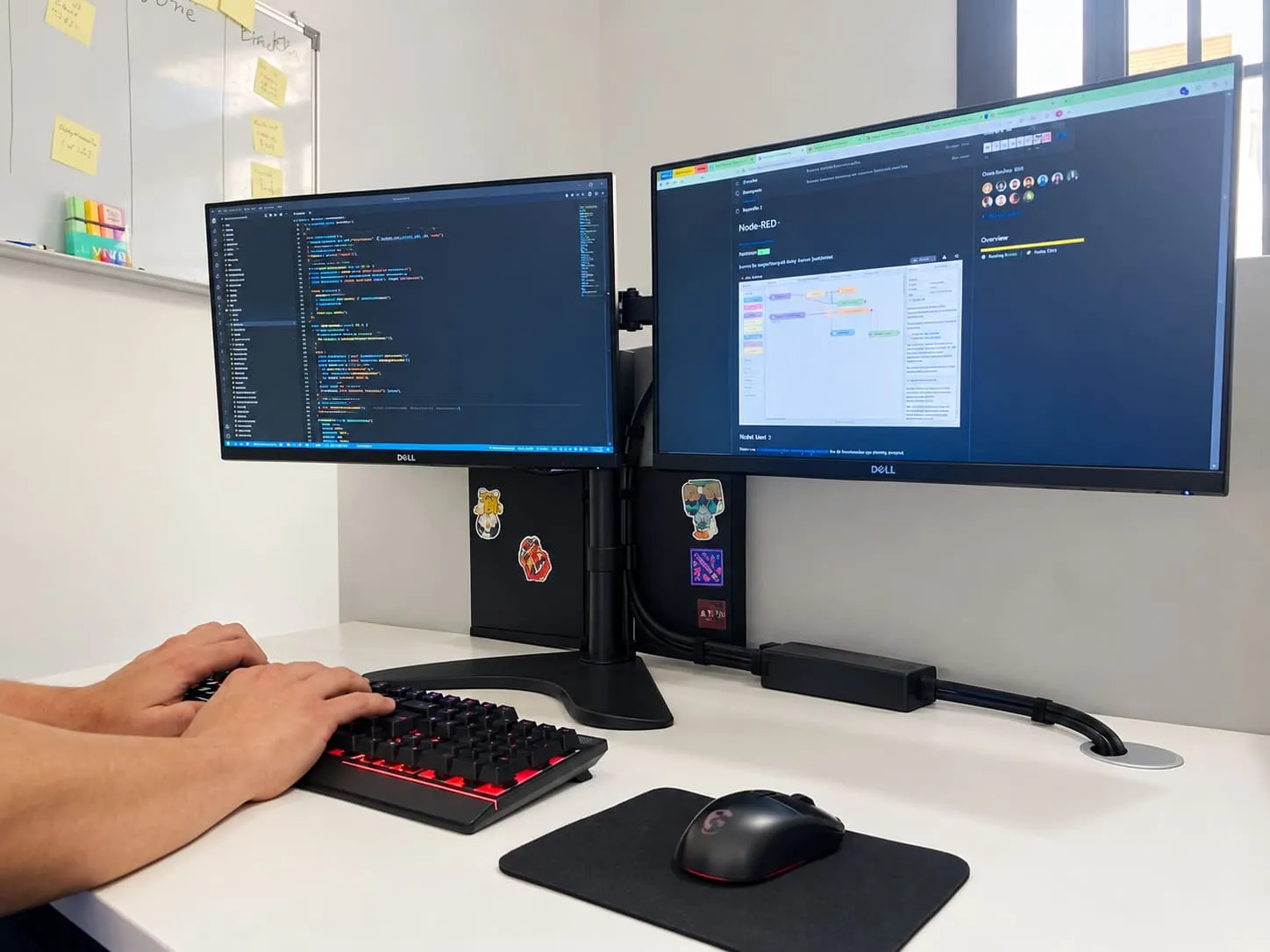
Grow past the MVP
You have real users, real feedback, and a list of things the first version could not do. We turn that into a release plan and ship it, release by release, with the measurements to know what worked.
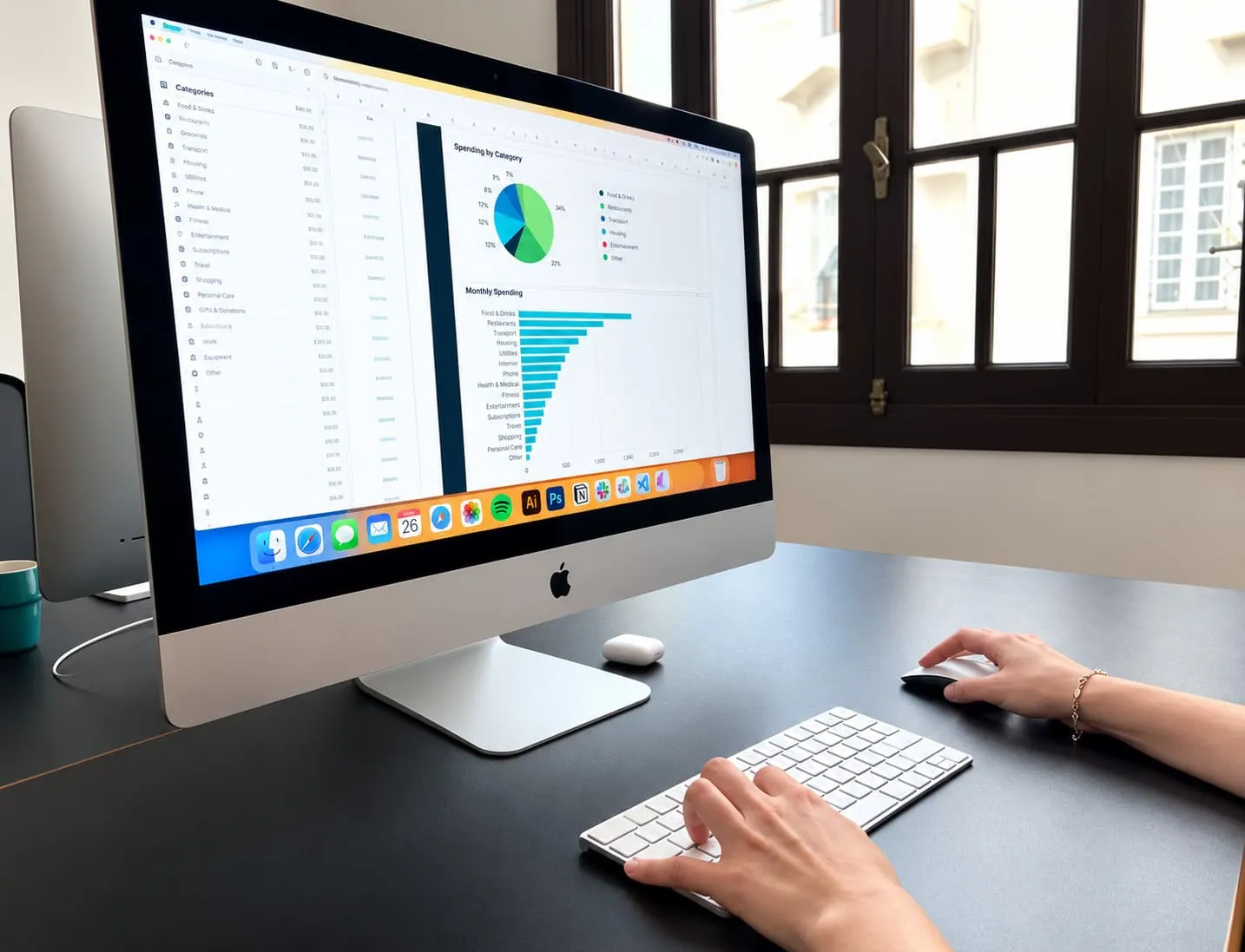
Add AI or redesign the experience
We build AI features into the product and measure them before they ship, or prototype a new interface in days and test it against the current one.
AI development
02 · Product, design and engineering together
Every release needs all three.
Someone decides what to build and why, someone shapes how it works, and someone builds it so it lasts. At WeaveLines they work in the same place, so decisions reach the product quickly.
Product management sets direction, scope and priorities. UX/UI design turns them into an interface people can use. Engineering builds it in the stack it will grow in, with testing, releases, infrastructure and monitoring as part of the work.
- Plan
- Design
- Build
- Review and test
- Release
- Measure
03 · How a release cycle works
Six steps, repeated for as long as the product keeps changing.
Plan
Before each release
A written plan for the release, sized, with the priorities yours.
What goes into the next release and why is decided with you, written down and sized. AI helps draft the specifications and the backlog, and the priorities remain yours.
Design
Before it is built
The change as a prototype you can click through before it is built.
Changes are prototyped before they are built, so you can review the new flow before any code is written.
Build
Every sprint
Working software, with a demo at each step.
Engineers build in the real stack with AI coding tools, and a second engineer reviews the changes that carry risk before they ship.
Most often
- TypeScript
- React
- React Native
- Expo
- Node.js
- PostgreSQL
Review and test
Every change
Tested software you have seen working.
Automated tests and CI run on every change, and you review working software regularly, with a demo at each step.
Release
When it is ready
The release live on the web or in the stores, with monitoring in place.
The release goes to the web or the app stores with monitoring and error tracking in place. On mobile, updates that do not need a store review go out over the air.
Most often
- AWS
- Cloudflare
- EAS
- App Store
- Google Play
Measure
After each release
What changed for users, and what it means for the next plan.
We measure what changed for users after the release and what that means for the next one. The plan for the next cycle begins here.
04 · Engineering standards
The same rules on every project, whatever its size.
Typed by default
Most of what we build is TypeScript, front end, back end and mobile, so a whole class of mistakes is caught before users see it and the next engineer can read the codebase. Where a product calls for another language, the same discipline comes with it.
Review where it counts
Types, tests and CI check every change on their own. A second engineer reviews the changes where a mistake would be expensive, in architecture, data, security and payments, whether a person or an AI wrote them.
Automated tests and CI
Tests run on every change in a pipeline that blocks what fails. Nothing reaches production by hand.
Staged environments and safe deploys
Separate development, staging and production environments, and deployments that do not take the product down.
Security as routine
Nothing waits for a security phase at the end. Dependencies are kept current, secrets stay out of the code, access is granted on a need-to-have basis, and every project is checked against the OWASP list.
Performance, measured
The screens and endpoints that matter get a target they have to meet, and we profile and test against it before a release rather than guess.
Monitoring before launch
Error tracking and uptime monitoring in place before the first user arrives, with AI-assisted triage after.
Documented and handed over
Decisions written down as they are made, instructions for running the product, and a clean handover if your own team takes over.
How you follow the build
Work runs in two-week sprints, and each one ends with a demo of working software. The backlog and the progress sit on a shared board you can open at any time, and the team is available to talk, review and decide throughout the sprint, not only at the demo.
Every change goes through automated tests and CI before it reaches staging, the ones that carry risk through a second engineer as well, and nothing reaches production by hand. When something breaks after launch, monitoring tells us before your users do.
05 · What we build with
The stack is chosen for each product.
These are the technologies we work with most.
Web
TypeScript and the React ecosystem, with the framework chosen per project.
Mobile
React Native with Expo, for iOS and Android.
Backend
Node.js, with PostgreSQL first and MongoDB, Neo4j or Redis when the data has a different shape.
Cloud
AWS first, Cloudflare where it fits, and a plain server when that is the right size.
AI features
Claude, GPT, Gemini or open models, chosen per use case.
06 · Cloud and DevOps
Every product runs somewhere, and that infrastructure is part of the work.
Infrastructure
AWS first, Cloudflare where it fits, and a plain server when that is the right size, set up in your own accounts.
Deployments
Docker-based deployments, separate development, staging and production environments, and CI/CD on every change. Nothing reaches production by hand.
Monitoring
Error tracking and uptime monitoring from the first release, with AI-assisted triage so the small problems stay small.
Migrations
When a product outgrows where it started, we move it to where it fits, one piece at a time, without stopping the business.
07 · Related work
Products we have built.




08 · How we engage
Monthly, for as long as the product needs a team.
Custom software development usually runs on time and materials billed monthly, with a team on the product for as long as it needs one and the scope adjusted release by release. The other engagement models each serve a purpose.
Time and materials
Monthly
A team on the product, billed monthly by the effort spent, for work that is open-ended or changes often.
Retainer
Monthly
Steady care for a product that needs fixes, improvements and the occasional feature rather than a full team.
Fixed-price feature
One scope, one price
A scoped feature with an agreed price and an agreed launch date.
Fractional CTO or CPO
Part-time seat
When a product needs a lead more than it needs more hands, we provide technical or product direction, part-time, without a full-time hire.
09 · Frequently asked questions
What clients ask before we start.
What is the difference between MVP development and custom software development?
An MVP is the first version, with a fixed scope, a fixed price and a launch in 2 to 6 weeks. Custom software development is everything after that, or instead of it when a product already exists, with releases planned and shipped one after another for as long as the product needs a team. Most clients start with the first and continue with the second.
Do you work with corporates as well as startups?
Yes. We build custom software for startups and for established companies, covering new products, internal tools, and the modernization of software that already runs the business. The process is the same, sized to the organization, with discovery, a prototype before code, and releases tested before they ship.
Can you take over a product another team built?
Yes, and it is a common way to start. We begin with a focused review of the code, the infrastructure and the product itself, tells you plainly what holds up and what does not, and plans the shortest route to the next release. A rewrite is the last resort rather than the first suggestion.
How often do you release?
We release as often as the product and your users can absorb. Every change goes through automated tests and CI, and the risky ones through a second engineer, so releasing is routine, and on mobile the changes that do not need a store review go out over the air. We agree the rhythm with you and adjust it release by release.
Who decides what gets built?
You do, with one of our product leads making sure the decision is an informed one, grounded in what users are doing, what the last release changed and what each option costs. AI helps draft the specifications and size the work, and the priorities remain yours.
How do you keep quality up as the product grows?
The same way on every release. Automated tests and CI run before anything ships, a second engineer reviews the changes that carry risk, and monitoring and error tracking surface problems before users report them. We build in the stack the product will grow in, so growth does not mean a rewrite.
What technology do you use?
Most often we work in the TypeScript ecosystem end to end, with React on the web, React Native with Expo on mobile, Node.js behind them, PostgreSQL first, with MongoDB, Neo4j or Redis when the data has a different shape, and AWS first, Cloudflare where it fits, and a plain server when that is the right size. For AI features, we use Claude, GPT, Gemini or open models, chosen per use case. We choose the stack for each product, and build in the one it will grow in.
How is custom software development priced?
Usually as time and materials billed monthly, with a team on the product for as long as it needs one and the scope adjusted release by release. A retainer suits products that need steady care rather than a full team, and a fixed price suits a scoped feature. When a product needs a lead more than it needs more hands, one of our leads takes the fractional CTO or CPO seat.
Do you handle infrastructure and DevOps?
Yes. We set up and run the infrastructure the product needs, with AWS first, Cloudflare where it fits, or a plain server when that is the right size, along with Docker-based deployments, separate development, staging and production environments, CI/CD on every change, and monitoring and error tracking from the first release. When a product outgrows where it started, we migrate it.
Do you build AI features as part of product development?
Yes. AI features are built into the product with the same discipline as any other feature. They are prototyped against your real data, measured with an evaluation set before they ship, and monitored afterwards. We work with Claude, GPT, Gemini and open models, chosen per use case, and your data stays in your own accounts.
Blog
From the blog
What actually gets faster with AI-assisted development, and what does not
AI coding assistants make some engineering work dramatically faster and leave the rest exactly as slow. This article covers the numbers from studies and agencies, what we see on our own projects, and the practices that decide whether the speed is real.
How to decide whether to build or buy AI for your product
An AI capability usually takes one of three shapes. It can be an off-the-shelf tool, a feature built on a foundation model, or a custom model. This guide covers how to choose between them on value, data, cost over five years and the risk of being wrong.
What vibe coding is genuinely good for and why it does not survive real users
Vibe coding produces a working demo in an afternoon, and that is real. It also produces code nobody has read, with security flaws in about half of it, and it breaks the moment real users arrive. This article draws the line, presents the evidence, and sets out what to do instead.
10 · Services
Everything we do.
Custom software development is the whole of the work. These are its parts.
Product Development
Build and grow your product with WeaveLines.
Tell us where the product stands and where it needs to be, and we will tell you what the next release should be.